
Whoa! I opened a Solana wallet extension last week and felt a jolt. It was faster than I expected and the UI was clean and almost playful. My instinct said this could actually onboard real users, not just degens. Initially I thought browser wallets would stay clunky and risky, but then I spent an hour testing transaction flows, checking permissions, and comparing network options, and realized the UX improvements are real—actually, wait—let me rephrase that: the UX has improved a lot, though there are trade-offs that still demand attention.
Hmm… Here’s what bugs me about some extensions though: permission prompts that feel opaque. On one hand they request lots of access to make dapps work smoothly, though actually some prompts could be more transparent and explain why each permission matters. I tried to poke around the settings and (oh, and by the way) found subtle differences in how accounts were named and exported. My hands-on testing showed differences across extensions in how they handle key backups, transaction simulations, and network switching, which matters for both new users and power traders who move quickly and can’t afford surprises.
Really? Most people just want a wallet that installs in 30 seconds and works. So I walked a friend through installing one and their first impression was «so simple» which made me smile. Something felt off when they clicked a link in a Discord message though—my gut told me to pause and check the origin before approving anything. This highlighted two realities: browser extensions are convenient for daily NFT browsing and DeFi interactions, but they also increase the attack surface when users follow unknown links or approve vague transactions without simulation steps or clear fallback options.
Quick recommendation
Okay. If you’re choosing a Solana browser wallet, prioritize these things: clear UI, explicit permission prompts, strong backup options, node health controls, and predictable signing behavior. For people who want a widely used, well-designed extension, check out this phantom wallet as a starting point, but remember to vet permissions and backup procedures carefully.
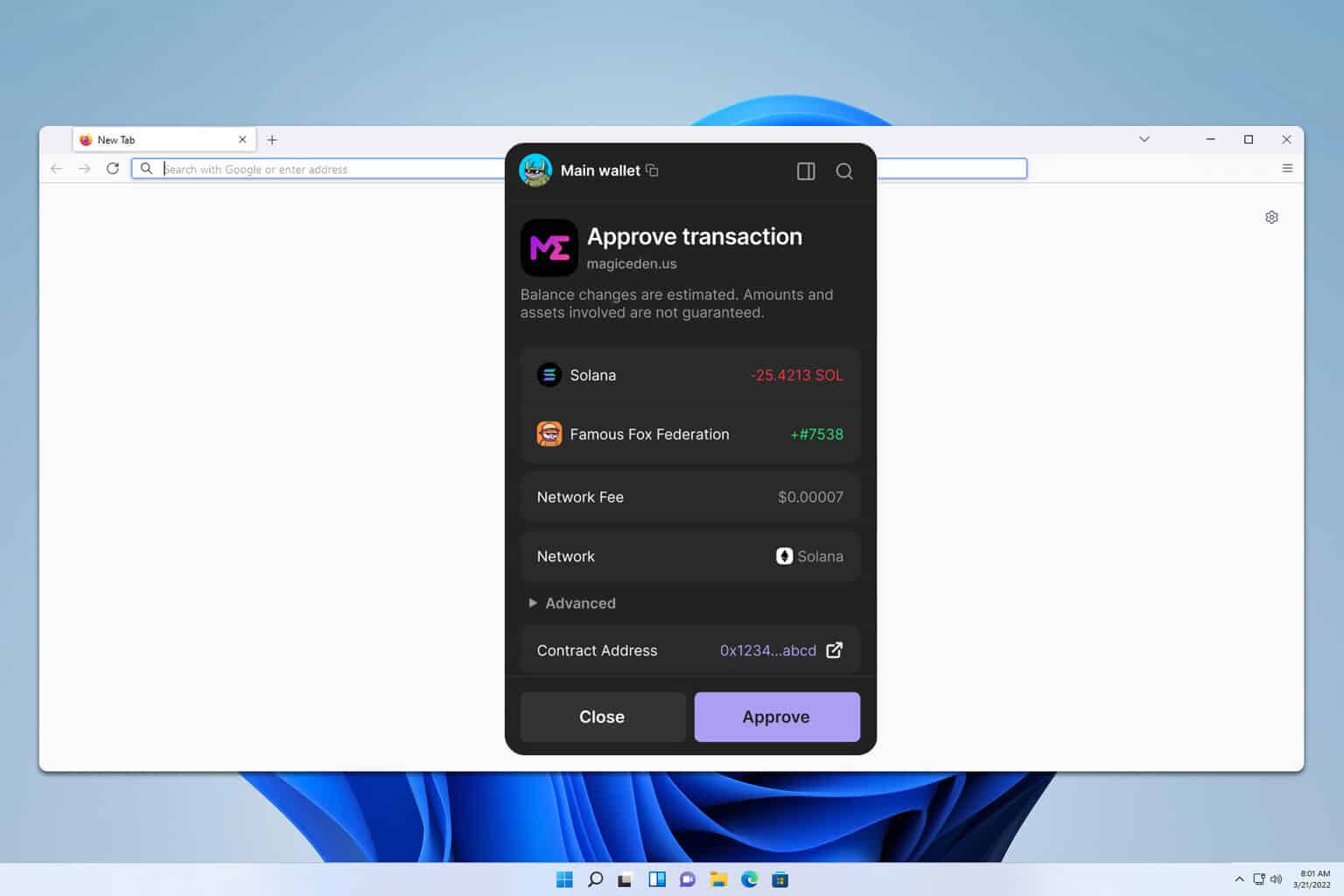
Whoa! Security needs to be first and fast. I dug into transaction signing flows and noticed extension popups vary; some show full detail, others give a brief summary. Initially I assumed all wallets would offer the same granularity of info, but after comparing popups across multiple installations, the differences were both subtle and significant, impacting how comfortable a user feels approving a swap or a program interaction. One wallet might show the exact program invoked and the accounts touched, while another shows a generic «sign transaction» button—this discrepancy can be dangerous in complex ecosystems like Solana where cross-program invocations are common.
Seriously? Recovery is another spot that deserves loud attention. I tested seed phrase backups, hardware wallet integrations, and cloud recovery features. I’ll be honest, I’m biased toward hardware-backed solutions, but not everyone wants extra devices, and so hybrid approaches that offer a secure cloud escrow or social recovery could bridge the gap. However, these systems must be opt-in, thoroughly audited, and explained in plain English, because if you tell a user «we’ve got your back» without laying out failure modes, they’re likely to be very very surprised when somethin’ goes sideways.
Hmm… Performance on Solana is a real selling point. Transactions are cheap and fast, and the wallet’s job is to keep that promise without adding friction. On the other hand, network congestion, RPC node selection, and optional transaction simulations all influence the apparent speed and reliability, so a wallet that lets you pick or fallback automatically to healthier nodes will feel a lot smoother for end users. My testing showed that wallets which surface RPC health, let you switch clusters, and preflight transactions make a noticeable difference during mint drops or busy DeFi moments.
Here’s the thing. Privacy matters, too. Some extensions collect telemetry or ask for analytics opt-ins that are buried in settings. On one hand telemetry helps developers fix crashes and optimize UX, though actually users deserve a clear choice and a succinct explanation of what is collected, because many people equate «wallet» with «private» and expect minimal data leakage. That expectation isn’t always realistic, but transparency and a privacy-first default go a long way toward building trust, especially in a space where reputations are fragile and bad headlines spread fast.
For practical next steps, I recommend trying a wallet in a controlled way—create a small test account, send tiny transactions, and experience the signing flow before committing real funds, because real-world friction is where most surprises hide and small mistakes can become costly. Finally, I’m not 100% sure about every recovery scheme out there, and I’m still watching how social recovery and multisig solutions mature on Solana, but I’m optimistic that good UX combined with solid cryptographic practices will make these extensions safer for mainstream users over time.